Which Fruit Fits Your Bankroll? Slot Volatility Explained

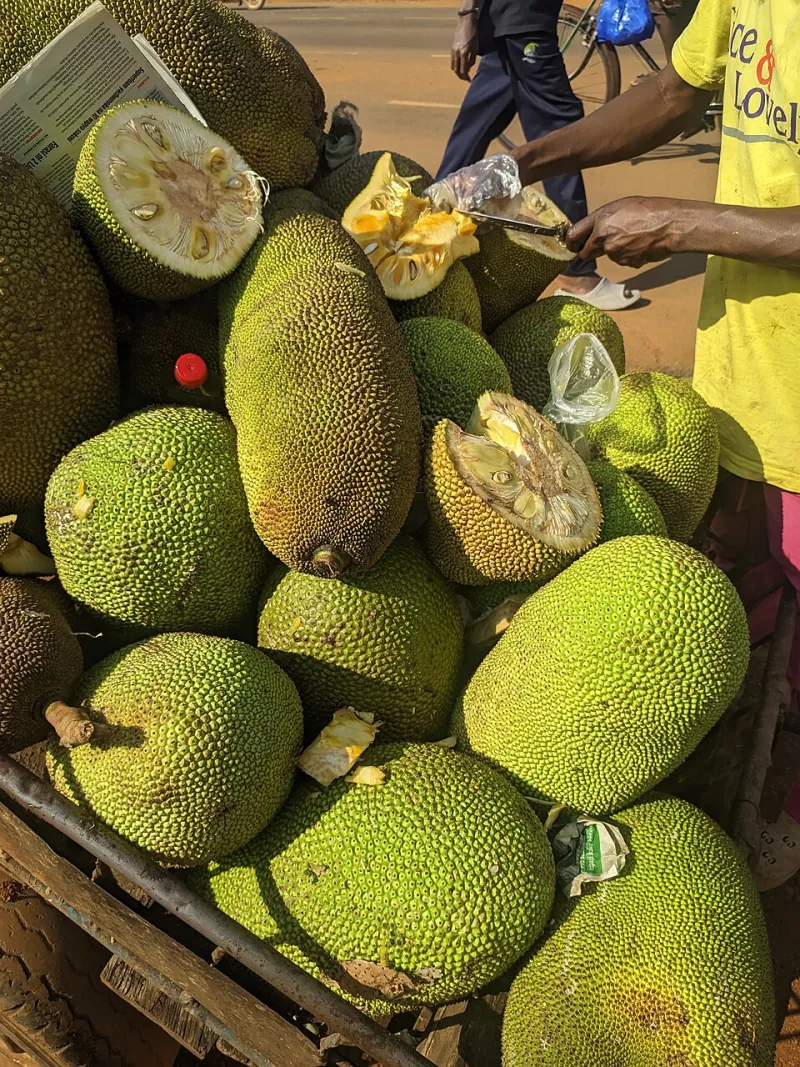
Photo: Shixart1985, CC BY 2.0, via Wikimedia Commons
Slot themes get the headlines. Volatility decides how the session actually feels. In 2026, UK players can choose from thousands of online slots, and two games with the same fruit-machine look can behave completely differently. One might drip small wins; another might go quiet for 50 spins and then explode. That difference is volatility.
This guide uses a fruit basket to explain low, medium and high volatility. It is not a ranking of games. It is a way to match a slot's risk profile to your session budget and your tolerance for drama.
What volatility means in plain English
Volatility — sometimes called variance — describes how a slot distributes its payouts. Low-volatility slots tend to produce smaller wins more often. High-volatility slots tend to produce wins less often, but the wins can be larger. Medium volatility sits in between.
Volatility is not the same as RTP. RTP is the long-run average return to players, usually expressed as a percentage. Volatility is the ride along the way. Two slots can both advertise 96% RTP and still feel like different animals.
Kiwi: low volatility, steady spins
Think of a kiwi: soft, green and dependable. Low-volatility slots are the kiwi of the basket. They often have a higher hit frequency, meaning a larger share of spins return something. The wins are usually modest, and the feature rounds may not be explosive.
This can suit players who want a longer session with less swing. If you have a £20 budget and play 20p spins, you have 100 spins before any wins. A low-volatility game may stretch that budget with frequent small returns, though the house edge still applies. It is not a safety net; it is a smoother ride.
Jackfruit: medium volatility, spiky but sweet
Medium volatility is the jackfruit: a spiky shell around a sweet centre. These slots usually balance hit frequency and payout size. You may hit a dry patch, but features and decent wins can arrive without the extreme waits of high-volatility play.
For many UK players, medium volatility is the comfortable middle. It suits a session where you want some excitement but not a rollercoaster. Set a loss limit before you start and treat the bonus round as a bonus, not a rescue plan.
Lemon: high volatility, sharp streaks
High-volatility slots are the lemon: sharp, bright and capable of making you wince. Wins can be rare, and dry spells can be long. The trade-off is that payouts and max-win potential can be much bigger.
This style can eat a session budget quickly. If you have £30 and play 50p spins, you have 60 spins before wins. A high-volatility game could burn through that in a few minutes without a feature. Only play this style with money you can afford to lose, and never increase stakes to chase a dry spell.
Hit frequency and bankroll stretch
Hit frequency is the percentage of spins that return a win of any size. A 20% hit frequency means roughly one in five spins wins something. That sounds reassuring, but the win might be smaller than your stake. Hit frequency is not profitability.
Bankroll stretch is the practical question: how long will my session budget last at this stake? Low volatility often stretches further; high volatility can swing hard in both directions. Divide your budget into session chunks and decide in advance how much you are willing to spend on entertainment.
Why volatility matters more than the theme
A fruity theme does not tell you the risk. A cartoon lemon slot can be high volatility; a dark, dramatic slot can be low. Check the game information panel, read reviews that mention volatility, and try demo mode where available. Look at minimum and maximum stake, max win, and whether the slot uses features like expanding reels or bonus buys.
At Jackfruit Casino, our slot reviews aim to flag the practical stuff: volatility, RTP, stake range and the feel of the base game. The theme is the packaging. Volatility is the engine.
Matching the fruit to your evening
| Fruit | Volatility | Feel | Suits |
|---|---|---|---|
| Kiwi | Low | Frequent small wins, gentler swings | Longer, lower-stake sessions |
| Jackfruit | Medium | Balanced with occasional spikes | Most casual UK sessions |
| Lemon | High | Rare wins, big potential, long dry spells | Players with strict limits and higher risk tolerance |
The final squeeze
There is no perfect volatility — only a fit for your budget and mood. If you want a calm, steady session, a kiwi-style slot may suit. If you want a balanced spin with a bit of bite, try the jackfruit. If you choose the lemon, do it with a clear head and a hard loss limit.
Whichever fruit you pick, set a budget, use deposit limits and reality checks, and take a break when the fun fades. UK players can find free, confidential support through BeGambleAware and GamCare. Volatility is part of the game; managing it is part of safer play.